Tuesday, September 27, 2011

Blue Panet: The Deep

There are 3 place in the ocean where different types of animals live.

The top one is Euphotic meaning there is alot of light. An animal that lives there is a dolphin. It is a mammal and mostly eats fish and squid. They are friendly and one of the most intelligent animals.


The next layer is Disphotic which has not alot of light. One fish there is the hatchet fish. The hatchet fish gets its name from the distinct shape of it's thin body. They create their own light by a process called bioluminescence. It is a chemical reaction sorta the same as what a fire fly does on land.

The last layer is the aphotic where there is no light. Here you can find deep sea jellies, transparent squids, or gigantociprus. Deep sea jellies use glowing red lures to catch fish. They are also bioluminst. It is really cool how they glow.


Thursday, September 22, 2011

Iron Nail

"A hot iron nail is dropped into a bucket of water. The nail cools down and steam rises from the bucket."

It steams because the hot nail is put in not-hot water. That's what happens.
Cohesion is shown in this picture. What that means is the water that is forming as droplets on this leaf.

Adhesion is shown in this picture. The water is clinging to the web.

Surface tension is shown here. The spider is on top of the water.

Friday, September 16, 2011

Food Chain: Plankton(:

Plankton are by far the most important organism in the ocean and in the food chain. Virtually everything in the ocean eats Plankton. They are most abundant in the summer and almost none are in the winter. Plankton are basically the bottom of the entire oceanic food chain because they get their energy from the sun, kinda like photosynthesis. Only a few species of planton eat other organisms.

Wednesday, September 14, 2011

Plate Tectonics

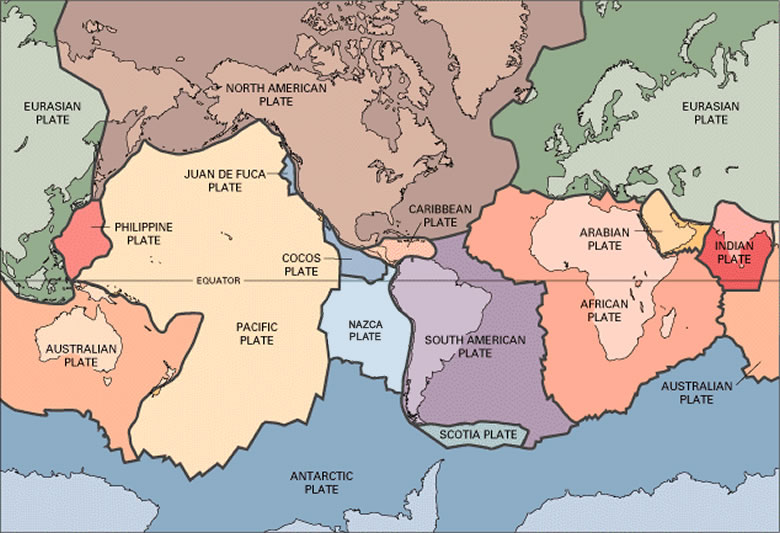
Michelle and I did the ocean mission from the Distance of Macapa island to Livreville, Africa. Between the two continents there is the Mid-Atlantic ridge, that we ran into after 1,400 feet from Macapa. That is also where the South American plate and African plate meet. I also believe that the end of my margin went about 1100 feet from Macapa. Eviendce, from my ocean floor map shows that because there is a big drop off from there. About 3500 miles out we hit the the african margin. On the map it shows a slope leading to a kinda straight top. I hope im sure about this cause the trench also pushs new rock/land into ocean makin it look like Margins on top. In conclusion, my trip wasnt flat land and very confusing. :) But what causes it to not be flat is the plates colliding together and creating land forms like mountains or even trenches. These plates were most likely the African Plate and the South American Plate and Scotia Plate.

Friday, September 9, 2011

SEAL

Seal Adaptations:
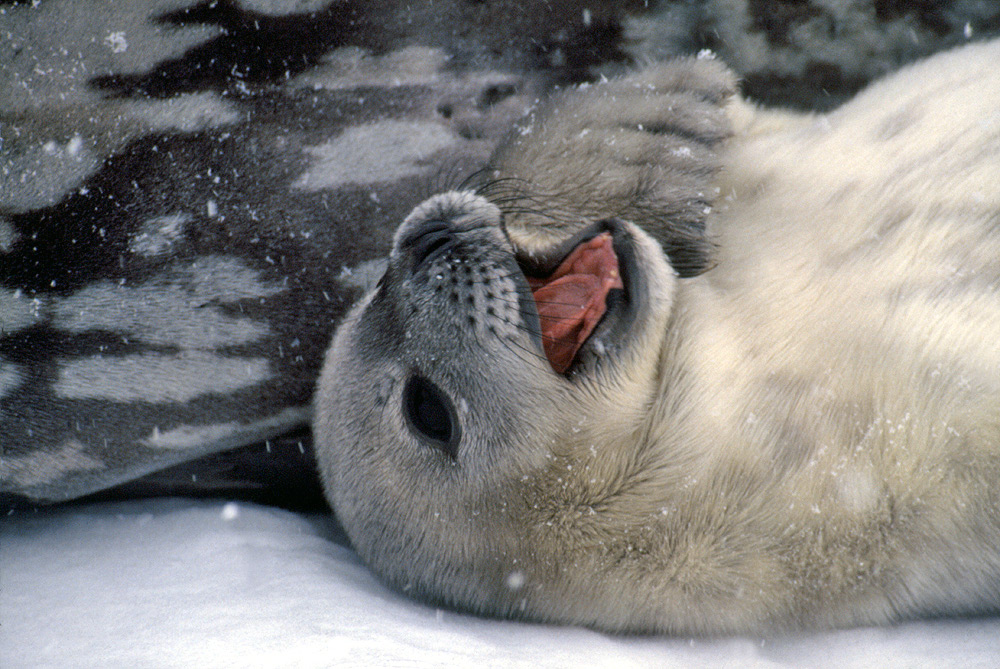
The adaptions of the seal are all biotic. They include whiskers for feeling fish, a body made for swimming, fur for warmth, and claws for good grooming.

Thursday, September 8, 2011

Open Ocean

I think the video was suuuuuuper cool. I had never heard of most of the fish that were in it. It was really neat that they could video things that clearly and deep in the ocean. It was awesome. :) It would be cool to be at the bottom of the ocean with all those animals and stuff, I still can't believe the cameras shot it so clearly. It looked fake, but I know it isn't. It's awesome. :))))